Tenerife is reinforcing efforts to safeguard some of its rarest plants and animals as growing threats from invasive species, abandoned pets and habitat loss continue to put the island’s unique biodiversity at risk.
As one of the Canary Islands’ richest centres of endemic wildlife, Tenerife is home to thousands of native species, many of which exist nowhere else in the world. Conservation experts warn that if these species disappear from the island, they become globally extinct.
Protecting 15 of Tenerife’s most vulnerable species
The Cabildo de Tenerife is focusing conservation efforts on 15 species of flora and fauna considered at imminent risk of extinction.
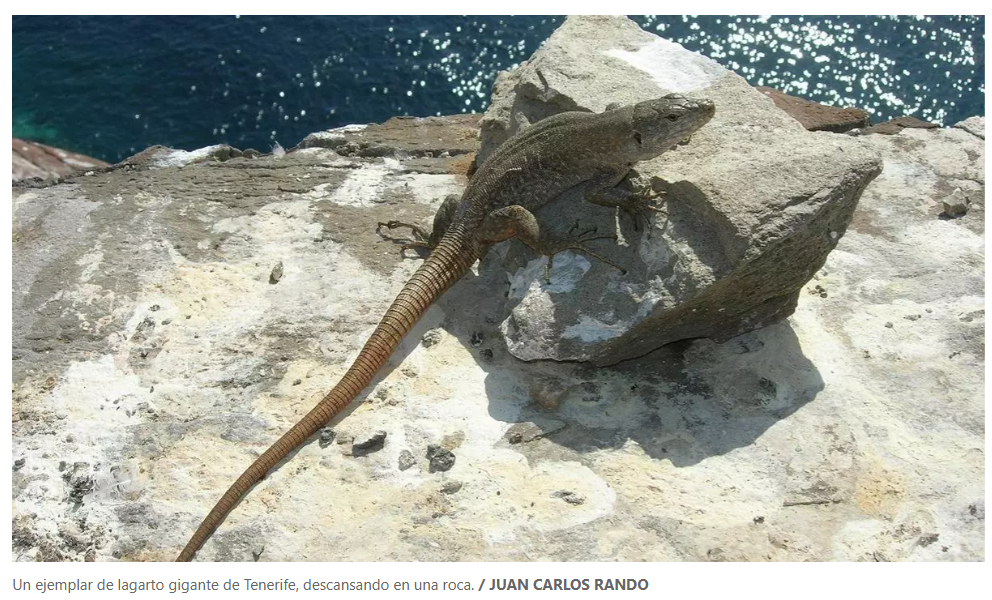
Among the island’s best-known protected animals are the Tenerife giant lizard, the blue chaffinch, the laurel pigeon and Bolle’s pigeon. Rare endemic plants receiving special attention include the Agache rockrose (jarilla de Agache), summit rockrose (jarilla de cumbre), pico de paloma, pico de El Sauzal and the silver thistle (cardo de plata).
Many of these species survive in only a handful of locations, making them especially vulnerable to even small changes in their habitats.
Abandoned pets remain a serious threat
One of the greatest dangers comes from feral and abandoned cats and dogs, which prey on native birds, reptiles and small mammals that evolved without natural predators.
Even domestic cats allowed to roam outdoors can have a significant impact on wildlife. Once established in protected natural areas, feral animals can disrupt fragile ecosystems through predation, disease transmission and competition with native species.
Invasive species add further pressure
The release of non-native animals is another growing concern.
Species such as red-eared slider turtles, invasive birds, ornamental fish and other exotic pets compete with native wildlife for food and habitat, placing additional pressure on already vulnerable ecosystems.
Introduced plant species also pose a significant threat by replacing native vegetation and altering habitats that support birds, insects and other wildlife.
€3 million invested in conservation
Blanca Pérez, Tenerife’s Councillor for Natural Environment, Sustainability, Security and Emergencies, said the Cabildo is taking the issue seriously.
She explained that around €3 million is being invested this year to eradicate invasive plants and animals, restore threatened species, protect sensitive habitats and expand the production of native plants in the island’s forest nurseries.
The Cabildo is also increasing environmental education initiatives to encourage residents and visitors to play a more active role in protecting Tenerife’s natural heritage.
Everyone has a role to play
Environmental specialists stress that conservation cannot rely solely on public authorities.
Simple actions such as not abandoning pets, never releasing exotic species into the wild and avoiding invasive plants in gardens can make a significant difference to the island’s ecosystems.
Spanish legislation also provides for substantial fines for abandoning animals or releasing invasive species, but conservationists argue that preventing irreversible damage to Tenerife’s unique biodiversity is far more important than any financial penalty.
Protecting these threatened species is about more than preserving wildlife. It is about safeguarding one of Tenerife’s greatest natural assets for future generations.