Icod de los Vinos has launched a new way to explore the municipality, with 12 self-guided routes taking visitors from the coast and historic centre to vineyards, traditional rural districts and the laurel forests higher up the hills.
The initiative, called Icod de los Vinos, en ruta, was presented in El Amparo square and aims to encourage visitors and residents to discover more of the area’s natural, cultural and historical heritage.
The routes have been developed by the municipal tourism office, Icodtesa, working with local advertising agency JFT and Carlos Rodríguez, better known as Calato. Digital information and promotional materials have been created to help walkers plan their outings.
The 12 routes are divided into four groups of three, offering different landscapes and experiences depending on how much time you have and how energetic you’re feeling.
From historic streets to the coast
The coastal routes begin in Icod’s historic centre, taking in landmarks such as the Church of San Marcos and traditional estates including Alzola and Vizconde de Buen Paso.
They also lead towards Playa de San Marcos and La Coronela, combining local history with views of the coastline.
Further inland, the routes pass through agricultural land, vineyards and traditional neighbourhoods. Along the way, walkers can discover old fountains and washhouses that offer a glimpse of how people lived before modern conveniences took over.
Forest trails and views of Teide
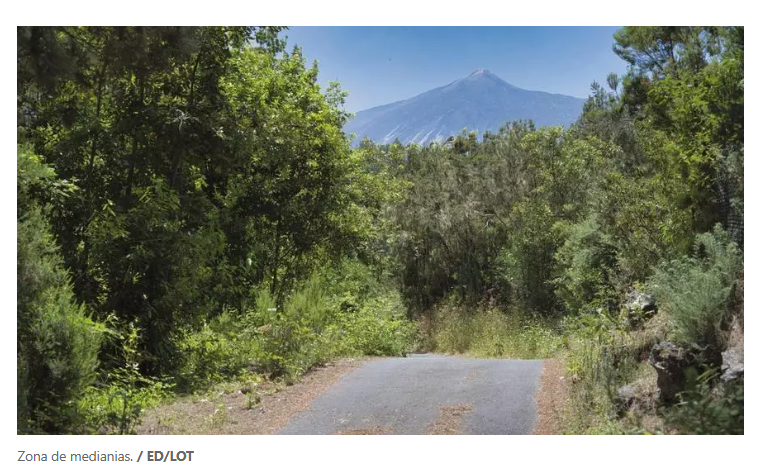
For those who prefer a bit more greenery, the higher routes climb into areas of laurel forest, with views stretching towards Mount Teide and the Atlantic Ocean.
Recreational areas such as Las Hayas and El Lagar provide places to stop and take a breather. Two of the forest routes are also suitable for cycling, giving visitors another way to explore the area.
A taste of Icod along the way
Of course, exploring Tenerife wouldn’t be complete without trying some of the local food.
Icod’s landscape has helped shape its traditional cooking, with dishes including papas arrugadas with mojo, grilled meats, condumio and fresh fish. Local products such as gofio, artisan cheeses and honey also feature in the area’s food culture.
Wine is another important part of the picture. Vineyards grow in volcanic soils influenced by the trade winds, producing native varieties including Listán Negro and Malvasía. Many local wines come from family-run wineries that continue to use traditional methods.
The new routes offer a chance to experience Icod beyond its best-known sights, combining walking, history, countryside and local food in one outing.
You can find the route brochure and technical details for each walk on the official Icod de los Vinos tourism website.