
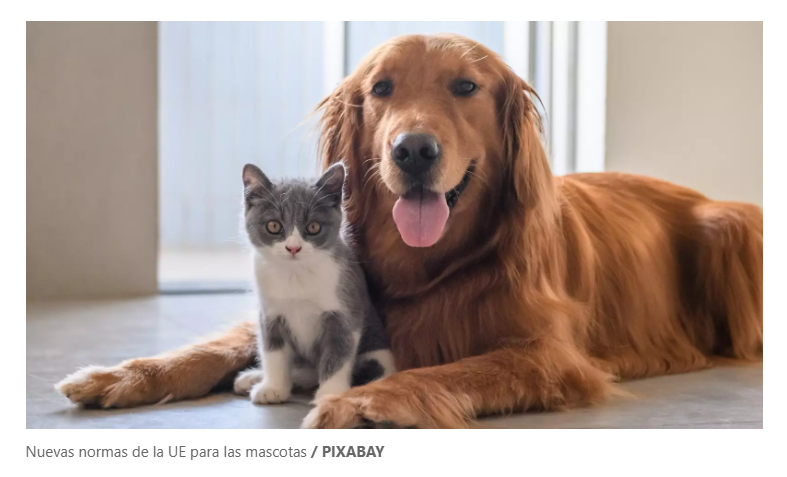
If you own a dog or cat in Tenerife, some new EU rules are on the way.
The changes form part of Regulation 2026/1818, which introduces common standards across the European Union covering the breeding, sale, identification and welfare of dogs and cats.
The rules won’t all kick in tomorrow, thankfully. They will be introduced gradually, with the new regulations starting to apply from 31 August 2028.
Microchips for dogs and cats
One of the biggest changes is the requirement for dogs and cats to be identified by microchip and included in a national register connected to a wider European database.
For most pet owners in Spain, this won’t be a huge change. Dogs and cats are already required to be microchipped under Spain’s existing animal welfare laws.
The difference is that the EU wants to create a more connected system across member states, making it easier to trace where an animal has come from.
Tougher rules for breeders
The new regulations will also tighten the rules around breeding.
Dogs and cats with extreme physical characteristics that can cause health problems or affect their welfare will have to be excluded from breeding programmes.
The aim is to reduce the deliberate breeding of animals with features that might look distinctive but can lead to lifelong health issues.
Buying a pet online will be more controlled
Online sales and adoptions will also come under closer scrutiny.
Platforms advertising dogs and cats will need systems to verify both the seller and information about the animal.
Each advert will include an official verification code linked to European databases, making it harder for illegal or unregistered sellers to operate anonymously.
Which, given the number of questionable adverts that can appear online, is probably no bad thing.
Rules for animals coming from outside the EU
The regulations will also introduce stricter controls for dogs and cats entering the European Union from non-EU countries.
Animals brought in from outside the EU will need to meet equivalent identification and registration requirements, with the aim of reducing illegal trafficking and unregulated pet trading.
Fines for breaking the rules
EU member states will be required to introduce penalties for anyone failing to comply with the new welfare rules.
The sanctions are expected to be effective and proportionate, although the exact penalties will depend on how each country applies and enforces the regulations.
The overall aim is to create a more consistent system across Europe, improve animal welfare, make it easier to trace animals and reduce illegal breeding and abandonment.
For most responsible pet owners in Tenerife, the changes are unlikely to mean a major upheaval. But if you buy, breed or sell dogs or cats, particularly online, there will be a lot more checking and paperwork involved.
Because apparently even buying a puppy now needs its own administrative system. Welcome to Europe.