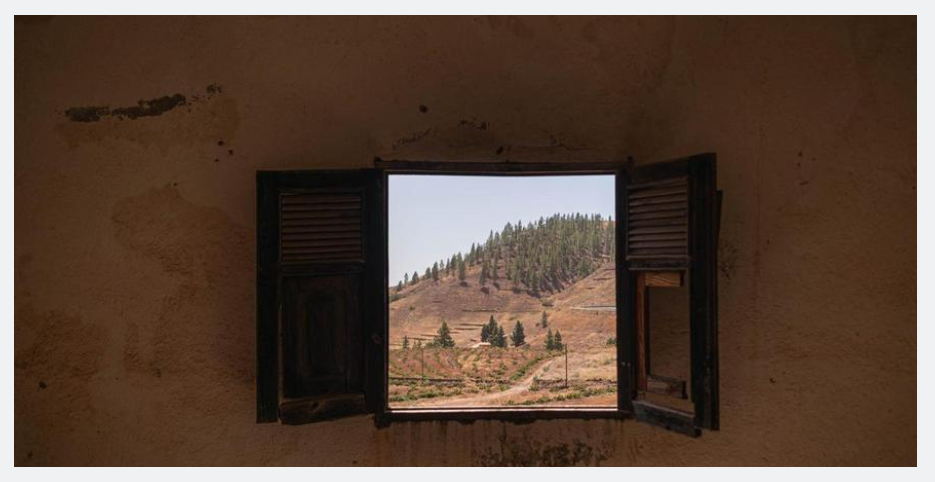
At around 1,400 metres above sea level, Trevejos sits high in the hills of Vilaflor de Chasna, surrounded by vineyards, farmland and the sort of peace you don’t often find in the more developed parts of southern Tenerife.
It’s also attracting attention for another reason. Geothermal exploration has been taking place in the area for more than a year, raising questions about what the future might look like for this small rural community.
Trevejos may be gaining recognition, but it hasn’t suddenly turned into a tourist resort. Not yet, anyway. Holiday homes are beginning to appear, while the agricultural character of the area remains firmly in place.
Of Vilaflor’s population of fewer than 2,000 people, around 50 live in Trevejos. Here, farmland comes first, with houses scattered between the fields rather than the other way around.
The land produces wine, potatoes, almonds and olives. Summer can leave everything looking a little parched, but agriculture still dominates the landscape.
A Rural Area With Plenty of History
Trevejos has also been known as Tierras del Marqués and Los Quemados. With around 250 hectares of vineyards, more than half of which are certified organic, it remains an important wine-producing area in southern Tenerife.
Wineries such as Bodegas Altos de Trevejos and Bodegas Reverón continue a tradition that has been part of local life for generations.
Getting there is best done via the La Camella route, avoiding some of the steeper tracks. Once you arrive, a simple metal sign marks the entrance to what initially looks like an ordinary rural path.
There are scattered homes, open fields and the occasional hiker disturbing the silence with the sound of their boots. Nothing too dramatic. Just rural Tenerife doing what rural Tenerife does.
Horses, Vineyards and a Slower Way of Life
Higher up the slopes, José Ramón Sierra looks after purebred Arabian and Spanish horses.
Originally from Guaza, where he manages a supermarket, José bought his property around three or four years ago, although he has known Trevejos since childhood.
The mares remain on the estate to raise their foals in a natural environment before the young horses head to competitions in mainland Spain at around two years old.
“Chasnero horses scattered across the Peninsula,” he says proudly.
José recommends visiting Trevejos in spring, particularly April, when the landscape is full of colour. As for the geothermal exploration, he admits he doesn’t know how far it will go, but hopes the impact on the environment will be limited.
For him, the area’s greatest attraction is simple.
“Overall, it’s very peaceful here.”
That’s probably not a bad description.
Bodegas Reverón: Keeping the Family Tradition Alive
Near the entrance to Trevejos is Bodegas Reverón, run by Diego Miguel Reverón.
The winery was inherited from his father, Eugenio, who arrived from Los Cristianos in 1947. What began as a small family wine cellar has developed into a business that continues to operate today.
Diego originally worked in construction before deciding to take on the family tradition. He now highlights water availability as one of the major challenges facing the future of winemaking in the area.
His daughter, 27-year-old Daniela Eugenia Reverón Maldonado, is part of the next generation.
Daniela learned about the winery from her grandfather and father. She initially began studying Aerospace Engineering in Madrid before changing direction towards business management, recognising the wider impact that a company can have on its surrounding community.
She has recently joined the family business and is getting more involved in the winemaking process, something she speaks about with considerable enthusiasm.
The winery employs around six people, including some who were trained by her grandfather.
Daniela believes there is potential to develop greater interest in Trevejos’ landscape and history, creating opportunities for the business while maintaining its agricultural identity. Her personal favourite is the organic Listán Blanco wine, and she hopes to pass the family’s passion on to future generations.
Local Memories and Concerns About Change
For residents who have lived in Trevejos for decades, the area’s transformation is nothing new.
Pili García, aged 64, is the widow of the hamlet’s former water manager. She remembers a time when just a few families worked the land, growing potatoes and grapes.
Following her husband’s death, she continues to look after a small vineyard, despite the difficulty of managing the land on her own.
The pandemic brought more visitors to Trevejos, as people looked for quieter places away from the busier tourist areas. But Pili remains cautious about the geothermal exploration.
Although the initial noise has reduced, she is concerned about the potential effects on wildlife and the surrounding environment.
She recognises that geothermal energy could offer benefits, but questions how much of that benefit would actually reach the local community.
That’s a fair question. New projects often arrive carrying promises of progress, while the people who already live there are left wondering what, precisely, progress is supposed to look like.
A New Generation Calls Trevejos Home
Among the younger residents is 19-year-old Daniel González, who has lived with Pili since he was just 18 months old.
Now training to become a chef, Daniel doesn’t see Trevejos as a tourist attraction. For him, it’s simply home.
Another newcomer is Samuel García, who moved to the area with his girlfriend. He works in a nearby industrial zone but enjoys the quietness of his new surroundings.
Their experiences reflect the different ways people connect with Trevejos, whether through family history, agriculture, work or the desire for a slower pace of life.
For now, Trevejos continues to maintain its rural identity while facing the pressures and possibilities of modernisation.
The vineyards are still there, the horses are still being raised, and the fields continue to shape the landscape. The big question is how long that balance can be maintained as geothermal exploration and other changes move forward.