
For all the advances in medical technology, one of the most important diagnostic skills is still listening to a patient’s heart.
The problem is that fewer medical students are becoming confident in heart auscultation, the practice of identifying potential heart problems by listening with a stethoscope.
A new study from the University of La Laguna (ULL) suggests digital training could help reverse that trend.
Training with real patient heart sounds
The research involved 109 fifth-year medical students, who completed between 30 and 45 days of independent training using CardioBeat, a digital platform developed through the University of La Laguna.
The online system gives students access to more than 150 real heart sound recordings taken from patients, allowing them to practise recognising both healthy heartbeats and the sounds associated with common cardiac conditions.
At the end of the programme, the students completed an assessment based on ten clinical heart auscultation cases.
The results were encouraging.
Only two students, representing 1.8% of those taking part, failed the assessment, while more than half achieved scores of nine or ten out of ten.
Supporting traditional clinical skills
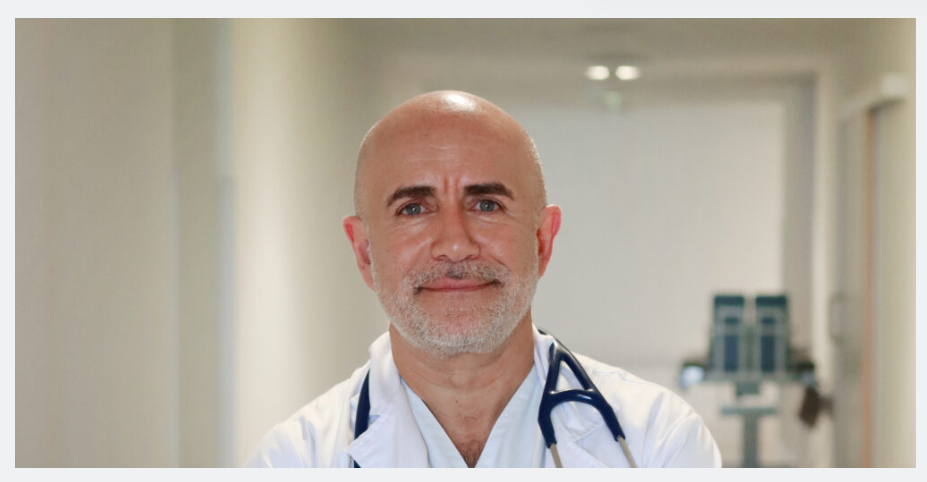
Cardiologist Alberto Domínguez-Rodríguez, who led the research and is also CEO of CardioBeat, believes the findings highlight the importance of maintaining strong physical examination skills, even as medical imaging becomes increasingly sophisticated.
Listening to the heart remains one of the quickest and most accessible ways for doctors working in primary care, emergency departments and hospitals to identify potential problems before referring patients for further investigation.
The study found that participants became significantly better at recognising normal heart sounds as well as common valve disorders, helping them make faster and more accurate clinical decisions.
Technology as a teaching tool
One of the reasons for the decline in auscultation skills is the changing nature of medical education.
Students often have fewer opportunities to examine patients directly, while greater reliance on imaging and laboratory tests means traditional examination techniques can receive less attention.
Digital platforms such as CardioBeat aim to fill some of that gap by allowing students and healthcare professionals to practise whenever and wherever they choose, using computers, tablets or smartphones.
The platform also includes visual guides to the cardiac cycle, making it easier to understand exactly what each sound represents.
Artificial intelligence still has limits
The researchers also touched on the growing role of artificial intelligence in healthcare.
While AI is becoming increasingly useful in diagnosing cardiovascular disease, the team believes it should support doctors rather than replace them.
According to Domínguez-Rodríguez, clinical judgement built on solid medical training will always remain essential, with technology serving as an additional tool rather than a substitute for experience.
A promising start
The researchers are careful not to overstate the findings.
Because the study was carried out at a single university and did not include a control group, further research will be needed before firm conclusions can be drawn.
Even so, the project demonstrates how innovation developed at the University of La Laguna could help improve medical education, benefiting future doctors and, ultimately, the patients they care for.