Tenerife is quietly building something beyond tourism.
While most headlines focus on hotels and visitor numbers, the University of La Laguna and the Cabildo are investing in research projects that could have a real impact on the islands in the years ahead.
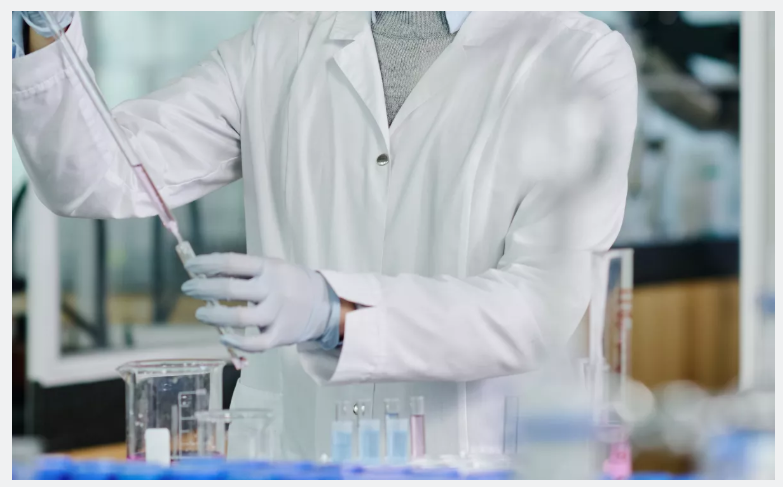
Through the Talentum programme, 19 applied research and technology projects are now underway across areas including health, artificial intelligence, renewable energy, biotechnology and sustainability.
The initiative runs until 2027 and aims to ensure university research moves beyond academic papers and into real-world applications.
Health and Medical Research Lead the Programme
Several projects focus on healthcare and biomedical innovation.
Current areas of research include:
• New treatments linked to oestrogen receptors and cancer research
• Studies into SARS-CoV-2 regulation
• Kidney disease and diabetic nephropathy research
• Mental health projects exploring conditions such as schizophrenia and depression
There are also initiatives developing new therapies for difficult and treatment-resistant cancers.
Artificial Intelligence and Sustainability
The programme also includes projects linked to technology, environmental management and digital transformation.
Among the initiatives are:
• Artificial intelligence and big data applications through the GENDERVISION-AI project
• Sustainable management of organic waste
• Studies into the blue economy in the Canary Islands
• Smart tourism technologies
• Digital preservation of historical Canary Spanish language records
Green Energy and Future Technologies
Energy transition is another major area of focus.
Projects include:
• Green hydrogen production technologies
• Development of e-fuels through the Greenfuels initiative
• Research into future energy systems for island environments
The programme also extends into advanced technology fields such as cryptography and data storage systems.
From Space Research to Cultural Heritage
The range of projects is wider than many would expect.
Research also includes:
• Carbon nanostructures in interstellar environments
• Atlantic island history and cultural narratives
• Heritage studies linked to the Canary Islands from the 15th to 18th centuries
Working Directly with Businesses
Part of the programme focuses on transferring research into practical use by working alongside businesses.
Projects currently cover:
• Aquaculture innovation
• Biotechnology developments
• Sustainable extraction of bioactive compounds
• Advanced biological imaging systems
• New approaches to pancreatic cancer treatment
It is a reminder that Tenerife is investing in more than tourism infrastructure.
Quietly, the island is also building its research and innovation sector.