
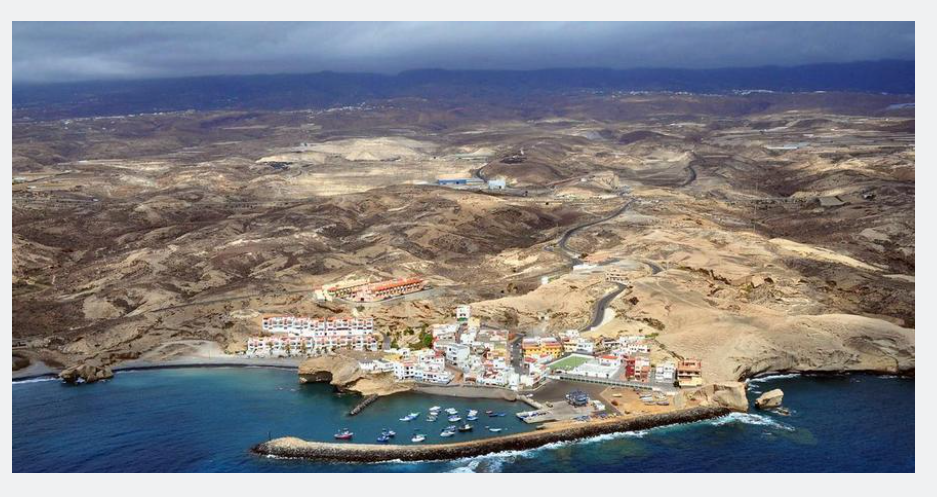
Tajao wasn’t built as a restaurant destination. It was built around fishing.
These days, the small coastal village in Arico is well known for its seafood restaurants and fresh fish, attracting people from across Tenerife and visitors who have heard that this is one of the places to go when you fancy fish by the Atlantic.
But the story of how it got there is quite interesting.
From fishing boats to restaurant tables
Until the late 1970s, Tajao didn’t have the collection of restaurants that now forms such a big part of its identity.
Fishing was the main way people made a living. Generations of men went out to sea, while the women played an equally important role on land, selling the catch and working in the local tomato fields when the fishing wasn’t enough.
As food creator Cocituber, who has more than half a million followers on TikTok, put it, people in Tajao had to make a living from what they had.
And what they had was the Atlantic on their doorstep.
The village’s first steps towards becoming a food destination came when a local woman began cooking the fish caught by the fishermen for visitors and workers.
Word spread.
Families from other parts of the Canary Islands started making the trip to Tajao specifically for the fish, and something that had simply been part of everyday life gradually became the reason people came to the village.
When fish was currency
Before people were driving to Tajao for a plate of grilled fish, fishermen would often exchange their catch with local farmers for fruit and vegetables.
It was a fairly simple system. You caught fish, somebody else grew the vegetables, and everyone got something they needed.
Eventually, customers began travelling to the village to buy the fish directly.
That growing demand helped change Tajao’s relationship with its fishing tradition. What had once been the village’s everyday livelihood became the foundation of its developing food scene.
The fish is still the star
Today, Tajao’s restaurants are known for keeping things relatively simple.
You’ll find old-style fish, grouper, octopus and plenty of other seafood, generally prepared in ways that don’t try to hide what you’re eating.
That’s probably the whole point.
Places such as Manolo II, which has been serving traditional food since 1979, have become part of the village’s culinary history.
Then there’s Agua y Sal, where diners can choose their fish and decide how they want it prepared.
No need for fifteen ingredients and a description that takes longer to read than the meal takes to eat.
A village that never really left fishing behind
Tajao has changed considerably over the decades, but its identity is still closely tied to the sea.
The restaurants may now attract diners looking for a good seafood lunch rather than fishermen looking to swap their catch for tomatoes, but the connection is still there.
That is probably what makes Tajao more interesting than simply being another place with lots of fish restaurants.
The food is part of the village’s history.
What started as a small fishing community making the most of what it had has turned into one of Tenerife’s better-known seafood destinations, while still keeping that connection with the Atlantic right outside the door.