
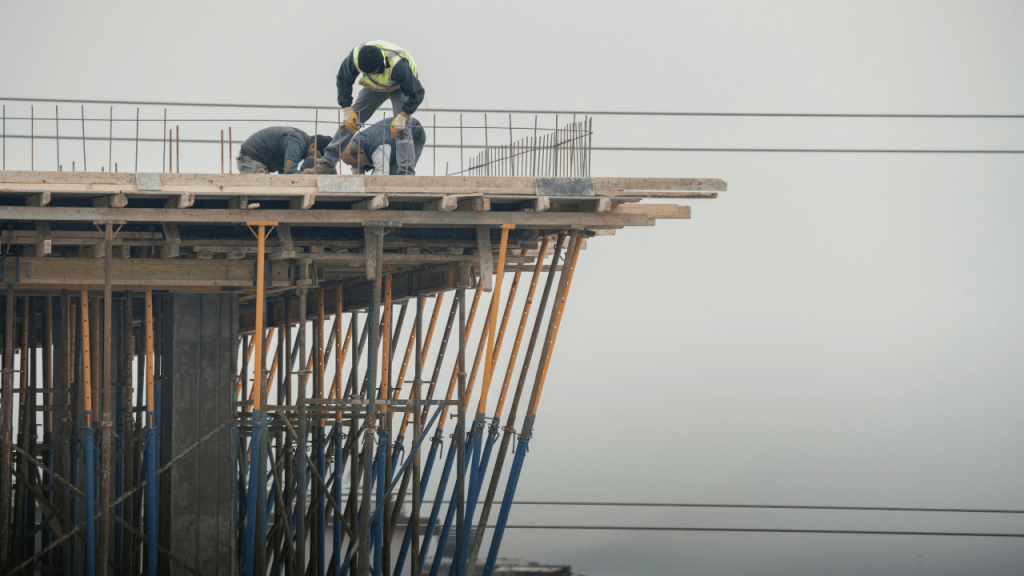
The Canary Islands Government has given the green light to the next phase of a significant affordable housing project in Adeje, approving the technical execution of a development that will deliver 51 protected homes in the heart of the town.
It’s not a small commitment. The construction budget has been revised up to €9.4 million, from an initial estimate of around €8.3 million. Officials say the increase reflects current construction costs, and that the higher figure is designed to attract strong competition during the public tender process. Whether that logic plays out remains to be seen, but at least the numbers are being set realistically from the start.
Where and What
The apartments will be built on plots sitting between Calle Pedro García Cabrera, Calle Rubén Darío and Calle Antonio Machado in Adeje town. Parking spaces are included, which anyone who’s tried to find a spot in that area will appreciate.
The project isn’t just about throwing up walls and calling it done. The plans cover full electrical systems, plumbing and thermal installations, along with health and safety studies and on-site project management for both the main build and associated subprojects. In other words, it’s a proper development, not a cut-price rush job.
Part of a Bigger Picture
The Adeje scheme is one piece of a broader regional push to build 159 homes across several municipalities. In Tenerife, that includes Arona and Guía de Isora alongside Adeje. Over in Gran Canaria, Arrecife and Santa Lucía de Tirajana are also part of the programme.
The whole thing is being funded under the Next Generation EU recovery programme, which has been channelling European money into housing and infrastructure across Spain since the post-pandemic years. It’s worth knowing that this funding stream does come with deadlines and conditions attached, so progress will be watched closely.
Why It’s important for Adeje
Adeje is one of the most in-demand areas in the south of Tenerife. That’s great if you’re already on the property ladder, but it creates real pressure for people who live and work here and can’t compete with investment buyers and holiday let prices.
Protected housing (viviendas protegidas, if you want the Spanish term) operates under price controls, meaning these apartments won’t be sold or rented at open-market rates. They’re specifically for people who qualify under income and residency criteria. It won’t solve Tenerife’s housing challenges on its own, but it’s a meaningful step in an area where the need is genuine.
I’ve been selling property in Tenerife since 2010, and the conversation around affordable housing in the south has been running for most of that time. It’s good to see plans moving from discussion to approved budgets and actual groundwork.
Whether the timeline holds is another matter entirely. But 51 families eventually having a secure home in Adeje? That’s worth getting right.