You’ll see it at every fiesta.
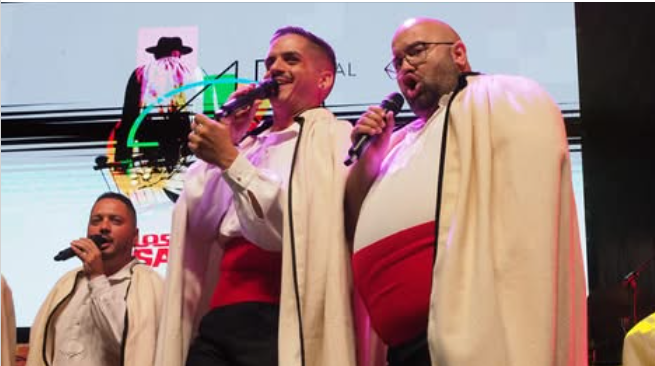
White wool, draped over the shoulders, usually worn with a bit of pride… and rightly so.
It’s become one of the most recognisable symbols of Tenerife.
But it didn’t actually start out that way.
It wasn’t even clothing to begin with
Originally, it was just a blanket.
A proper one.
Back in the 19th century, Tenerife had strong trade links with England, and among the goods arriving on the island were thick wool blankets. The kind designed for cold, damp weather… which, as it turns out, is exactly what you get up in the higher parts of the island.
Places like La Esperanza aren’t all sun and blue skies.
It gets cold. Damp. Miserable at times.
So the farmers and shepherds did the obvious thing… they used what they had.
They wrapped themselves in the blankets.
Simple as that.
Then it slowly turned into something else
Over time, practicality kicked in.
Someone, somewhere, thought it might be useful if the thing actually stayed on your shoulders properly… so they added that distinctive gathered neck.
That’s the bit that makes it what it is today.
Not fashion. Not tradition.
Just solving a problem.
Even the stripes… those blue or black lines at the ends… they weren’t decorative. They were just the original manufacturer’s marks from British looms.
Funny how things change.
From workwear to symbol
For years, it was just worn in rural areas. Nothing special.
Then along came Los Sabandeños.
They started wearing it as part of their image, travelling, performing… and suddenly this practical bit of mountain gear turned into something cultural.
Now you see it everywhere.
Festivals, romerías, events… it’s become part of the identity.
What makes a real one
Not all of them are the same, despite what you’ll see in some shops.
A proper Esperanza blanket should be:
100% virgin wool
Heavy… but warm and water-resistant
Hand-finished around the neck so it sits properly
That collar detail isn’t just for show… if it’s done badly, it just doesn’t sit right.
Places like El Rosario still have people making them properly, but like most traditional things, it’s a bit of a battle against cheaper, synthetic versions.
And yes… there’s even a statue
If you go up to La Esperanza, you’ll find a monument to it.
Which tells you everything really.
What started as a farmer grabbing a blanket to stay warm has ended up as a recognised symbol of the island.
Not bad for something that was never meant to be clothing in the first place.
If you want to read the original article, just click here.